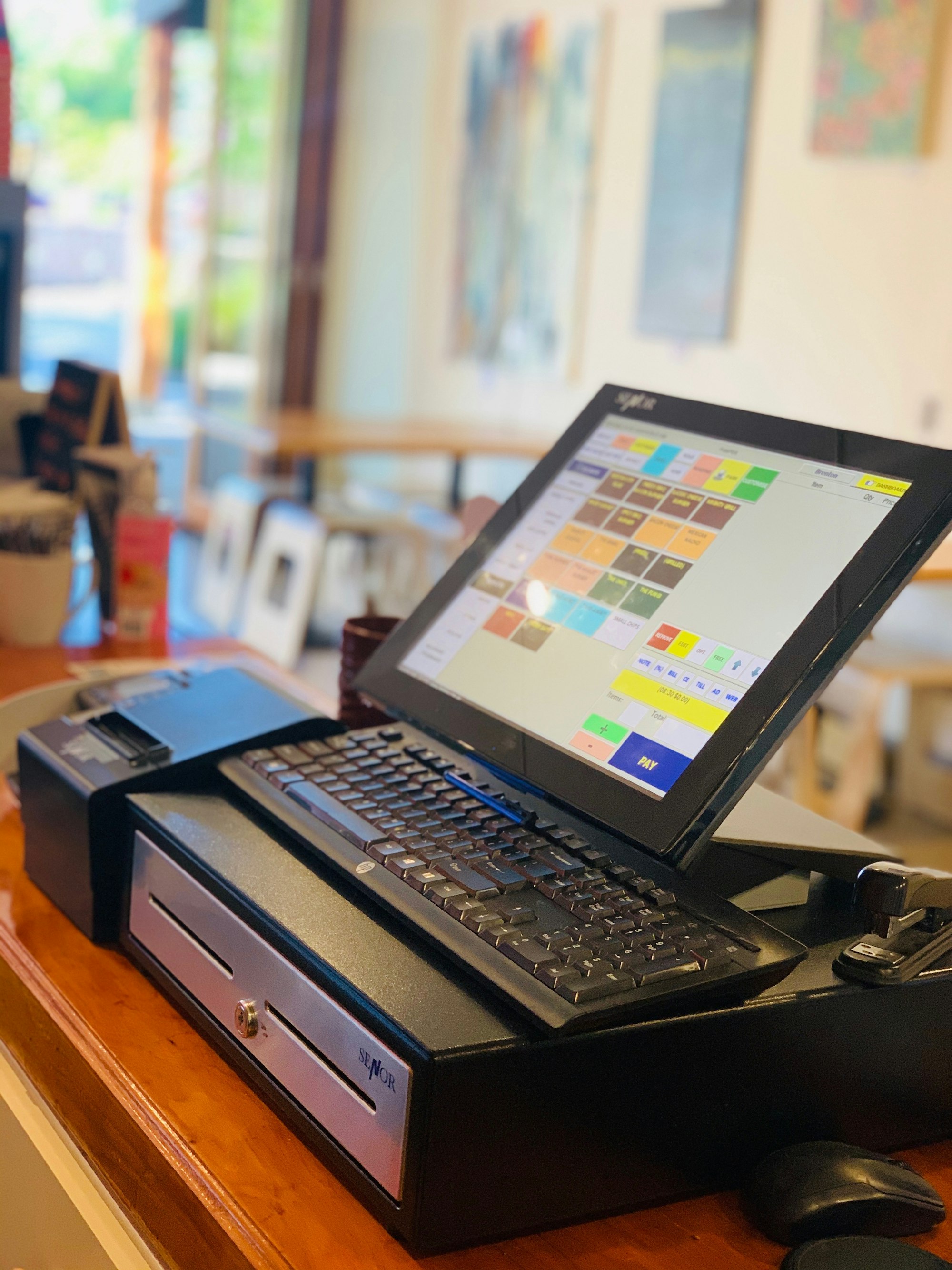
In December 2025, a multi-state cannabis operator in the Midwest discovered that its entire seed-to-sale tracking system had been encrypted. Patient records, inventory data, compliance documentation, POS transaction logs — all locked behind a ransom demand of 15 Bitcoin (approximately $1.4 million at the time).
The operator couldn’t sell product. Couldn’t verify patient eligibility. Couldn’t report to state regulators. Every day of downtime meant regulatory violations accumulating on top of lost revenue. They paid the ransom within 72 hours.
This isn’t an isolated incident. It’s a pattern. And it’s accelerating.
The Perfect Victim Profile
Ransomware operators are sophisticated businesses. They select targets based on a calculated assessment of the victim’s ability to pay, willingness to pay, and vulnerability to attack. Cannabis dispensaries score highly on all three criteria.
High Ability to Pay
Cannabis is a cash-intensive, high-margin industry. Even with banking access improving post-Schedule III reclassification, many operators maintain substantial cash reserves. Ransomware gangs know this. Financial intelligence gathered during network reconnaissance — tax filings, revenue reports, bank statements — helps attackers calibrate ransom demands to amounts the victim can actually pay.
Multi-state operators (MSOs) are particularly attractive targets. Their revenue is public or semi-public knowledge, and their operational complexity means more systems to encrypt and more pressure to restore service quickly.
Extreme Willingness to Pay
Cannabis businesses face a unique regulatory trap that ransomware operators exploit deliberately.
In most states, dispensaries are required to maintain continuous reporting to seed-to-sale tracking systems like METRC, BioTrack, or Leaf Data Systems. A gap in reporting — even one caused by a ransomware attack — can trigger regulatory investigations, license suspensions, or fines.
A dispensary that can’t access its tracking system can’t:
- Verify that product hasn’t been diverted
- Confirm patient eligibility for purchases
- Submit required daily or weekly reports to regulators
- Prove chain of custody for any product in the facility
Every hour of downtime creates regulatory exposure. For operators in states with strict compliance enforcement — Michigan, Colorado, California — the cost of regulatory penalties can exceed the ransom demand itself.
This creates exactly the kind of time pressure that leads to ransom payments. Ransomware gangs understand this dynamic intimately.
Weak Cybersecurity Posture
Cannabis businesses, on average, have cybersecurity maturity levels comparable to small restaurants or local retail shops — despite handling data that’s more sensitive than most healthcare providers.
The IT4Weed year-in-review of 2025 cannabis cyber incidents catalogs a disturbing pattern: POS ransomware, deepfake-enabled social engineering against dispensary staff, compromise of delivery management platforms, and attacks on cultivation facility IoT systems.
Common weaknesses that ransomware operators exploit include:
- No network segmentation. POS systems, security cameras, HVAC controls, and employee workstations often sit on the same flat network. Compromise one device, access everything.
- Outdated systems. Cannabis-specific software vendors are often small companies with limited patching cadences. Known vulnerabilities go unpatched for months.
- Weak backup practices. Many operators either don’t maintain backups or store them on network-attached storage that gets encrypted alongside production systems.
- Minimal endpoint protection. Budtender workstations rarely run enterprise-grade endpoint detection and response (EDR) solutions.
- Third-party vendor access. POS vendors, HVAC contractors, and compliance consultants often have standing remote access to dispensary networks with no monitoring or access controls.
The Attack Anatomy
Understanding how these attacks unfold helps explain why they’re so effective against cannabis operations.
Phase 1: Initial Access (Weeks Before Detection)
The most common entry points into cannabis business networks in 2025-2026:
Phishing emails targeting managers and owners. Cannabis business owners are active on LinkedIn, industry forums, and trade associations. Attackers craft targeted emails impersonating compliance consultants, POS vendors, or state regulators. A single click installs a remote access trojan.
Compromised POS vendor credentials. The STIIIZY breach demonstrated how POS vendor compromises cascade to dispensary clients. When attackers breach a POS provider, they gain access to every dispensary using that platform.
Exposed RDP and VPN endpoints. Many cannabis businesses use remote desktop protocol (RDP) for after-hours system access. Exposed RDP endpoints are scanned constantly by automated tools and brute-forced or exploited within hours of exposure.
IoT device compromise. Smart cultivation systems — environmental controls, irrigation automation, security cameras — are often internet-connected with default credentials. Once inside via an IoT device, lateral movement to business systems is straightforward on unsegmented networks.
Phase 2: Lateral Movement and Reconnaissance (Days to Weeks)
Once inside, attackers don’t immediately deploy ransomware. They explore:
- Map the network to identify critical systems (POS, seed-to-sale, compliance databases)
- Harvest credentials to gain administrative access
- Identify and disable or corrupt backup systems
- Exfiltrate sensitive data for double-extortion leverage
- Assess the business’s financial position to calibrate ransom demands
This phase is where the damage is actually done. By the time encryption begins, the attacker already has copies of your data and has ensured your backups are useless.
Phase 3: Encryption and Extortion
Modern cannabis-targeted ransomware attacks typically use double extortion:
- Encrypt critical systems — POS, seed-to-sale tracking, patient databases, compliance documentation
- Threaten data publication — patient medical information, purchase histories, and financial records posted to leak sites
For cannabis businesses, the data publication threat carries unique weight. Patient medical cannabis records are extraordinarily sensitive. A leak exposes patients’ medical conditions, medication choices, and in states where stigma persists, their cannabis use itself. The reputational damage — and potential legal liability — from a patient data leak can exceed the ransomware payment many times over.
The Numbers
While comprehensive cannabis-specific ransomware statistics remain sparse (the industry doesn’t have a centralized reporting mechanism), available data paints a concerning picture:
- Average ransomware payment across all industries in 2025: $1.2 million (Chainalysis)
- Average downtime from a ransomware attack: 24 days (Coveware)
- Percentage of ransomware victims who pay: approximately 29% across all industries, but estimated significantly higher for cannabis due to regulatory pressure
- Average total cost of a ransomware incident (including downtime, recovery, legal, regulatory): 5-10x the ransom payment itself
For a single-location dispensary doing $3-5 million in annual revenue, a 24-day operational shutdown during recovery represents $200,000-$330,000 in lost revenue — before counting the ransom, legal fees, regulatory fines, and the full cost of breach recovery.
Building Ransomware Resilience
Cannabis businesses can significantly reduce their ransomware risk without massive budgets. The key is focusing on the controls that matter most:
The Non-Negotiable Five
-
Offline backups, tested monthly. The single most important ransomware defense. Maintain at least one backup copy that is physically disconnected from your network. Cloud backups alone aren’t sufficient — if the attacker has your cloud credentials, those get encrypted too. Test restoration monthly. A backup you’ve never restored from is a backup you don’t have.
-
Network segmentation. Put your POS system, your security cameras, your office computers, and your IoT devices on separate network segments. A firewall between segments means that a compromised security camera can’t directly access your patient database. This costs a few hundred dollars in network equipment and a day of IT time.
-
Multi-factor authentication (MFA) on everything. Every remote access point — VPN, RDP, cloud services, email, POS admin panels. MFA blocks the vast majority of credential-based attacks. There is no excuse for any internet-accessible system to rely solely on username and password in 2026.
-
Endpoint detection and response (EDR). Deploy a modern EDR solution on every workstation and server. Not antivirus — actual EDR with behavioral detection. Several vendors offer small-business pricing that cannabis operators can afford.
-
Vendor access controls. Every third-party connection to your network should use unique credentials, require MFA, and be logged. Revoke access when not actively needed. Your POS vendor should not have standing 24/7 access to your systems.
The Recovery Plan
Assume you will be hit. Plan accordingly:
- Written incident response plan that includes regulatory notification procedures for your state(s)
- Relationship with an incident response firm established before an incident (negotiating retainer agreements during an active attack is expensive)
- Cyber insurance policy with ransomware coverage (increasingly available for cannabis businesses)
- Communication templates for patient notifications, regulatory reports, and media inquiries
- Designated decision-maker for ransom payment decisions, with legal counsel involved
What Not to Do
- Don’t assume you’re too small to be targeted. Automated ransomware campaigns scan the entire internet. Size doesn’t provide protection.
- Don’t store all backups on your network. This defeats the purpose.
- Don’t rely on your POS vendor for security. The 10 biggest cannabis data breaches consistently trace back to vendor failures. Your security is your responsibility.
- Don’t pay a ransom without legal counsel. OFAC sanctions apply — paying certain ransomware operators is a federal crime regardless of the circumstances.
The Industry Needs to Talk About This
The cannabis industry has a transparency problem when it comes to cybersecurity incidents. Unlike healthcare, financial services, or publicly traded companies, most cannabis businesses have no legal obligation to disclose breaches publicly (though this is changing with Schedule III).
This means the industry can’t learn from its collective failures. Every dispensary that quietly pays a ransom and never reports the incident makes the next attack more likely — because it confirms to ransomware operators that cannabis businesses are profitable, compliant victims.
Industry associations, state regulators, and cannabis technology vendors all have a role to play in changing this dynamic. Voluntary breach reporting, anonymized threat intelligence sharing, and industry-specific security standards would represent meaningful progress.
Until then, every cannabis business is essentially defending itself in isolation — which is exactly how ransomware operators prefer it.
Related: Your Cannabis POS System Is a Ticking Time Bomb and The Real Cost of a Cannabis Data Breach.